

ENERGY CAPACITY WHEN IT’S NEEDED
Bridging the Gap Between Planning and Operations
It’s undeniable: energy demand is accelerating faster than infrastructure can be built.
Even when infrastructure plans are approved years in advance, operations run in real time. When assumptions collide with reality, capacity becomes stranded, costs escalate, and systems fracture at the edges. This gap, between planned infrastructure and operational reality, is exactly where interim, modular and mobile energy capacity becomes mission-critical.
Execution-Ready Capacity, Delivered as a Service
MOD Energy Solutions provides energy capacity as a service, designed for moments when infrastructure plans are approved but execution timelines fall short.
Rather than selling standalone equipment, we deliver execution-ready capacity through a flexible service model that adapts to changing conditions, evolving demand and uncertain timelines. This allows organizations to maintain continuity without locking into rigid assumptions or premature permanent buildouts.
Our role is to bridge the gap between planning and operations by supplying interim capacity that can be deployed, adjusted, and withdrawn as conditions change, supporting stability while long-term infrastructure comes online.
This approach enables institutions to manage risk, protect uptime, and move forward without waiting for ideal conditions.
Where Our Capacity Is Applied
Our energy capacity solutions are applied across a range of environments where reliability, timing, and flexibility matter:
-
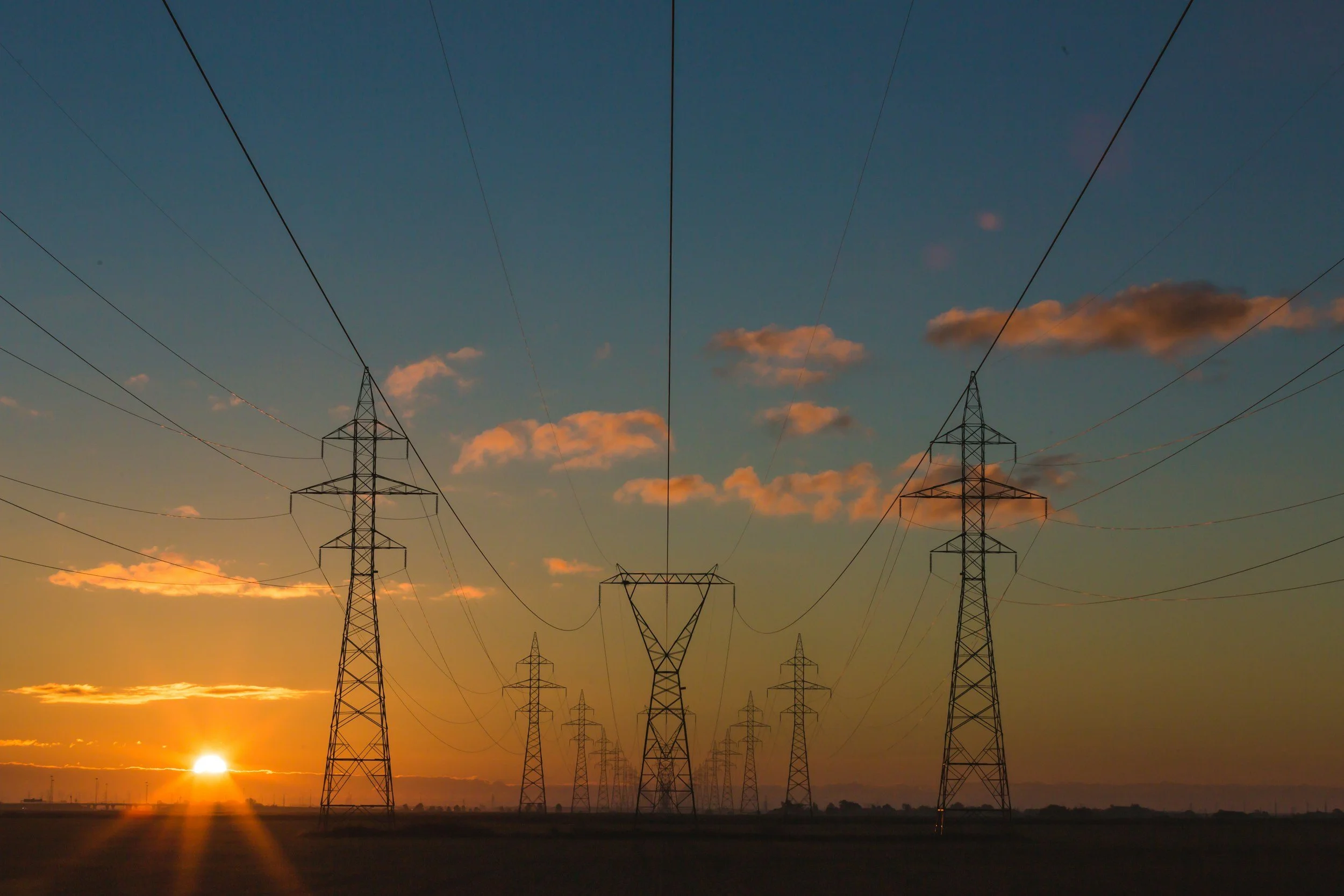
![Utility and Grid Support Substation]()
Utility & Grid Support
Execution-ready capacity to relieve grid constraints, support transitions and stabilize operations during infrastructure build-out and peak demand.
-
![Electric School Bus Fleet Municipal Fleet]()
Municipal & Public Infrastructure
Flexible energy capacity to maintain continuity across public services when timelines, funding or grid availability limit permanent solutions.
-
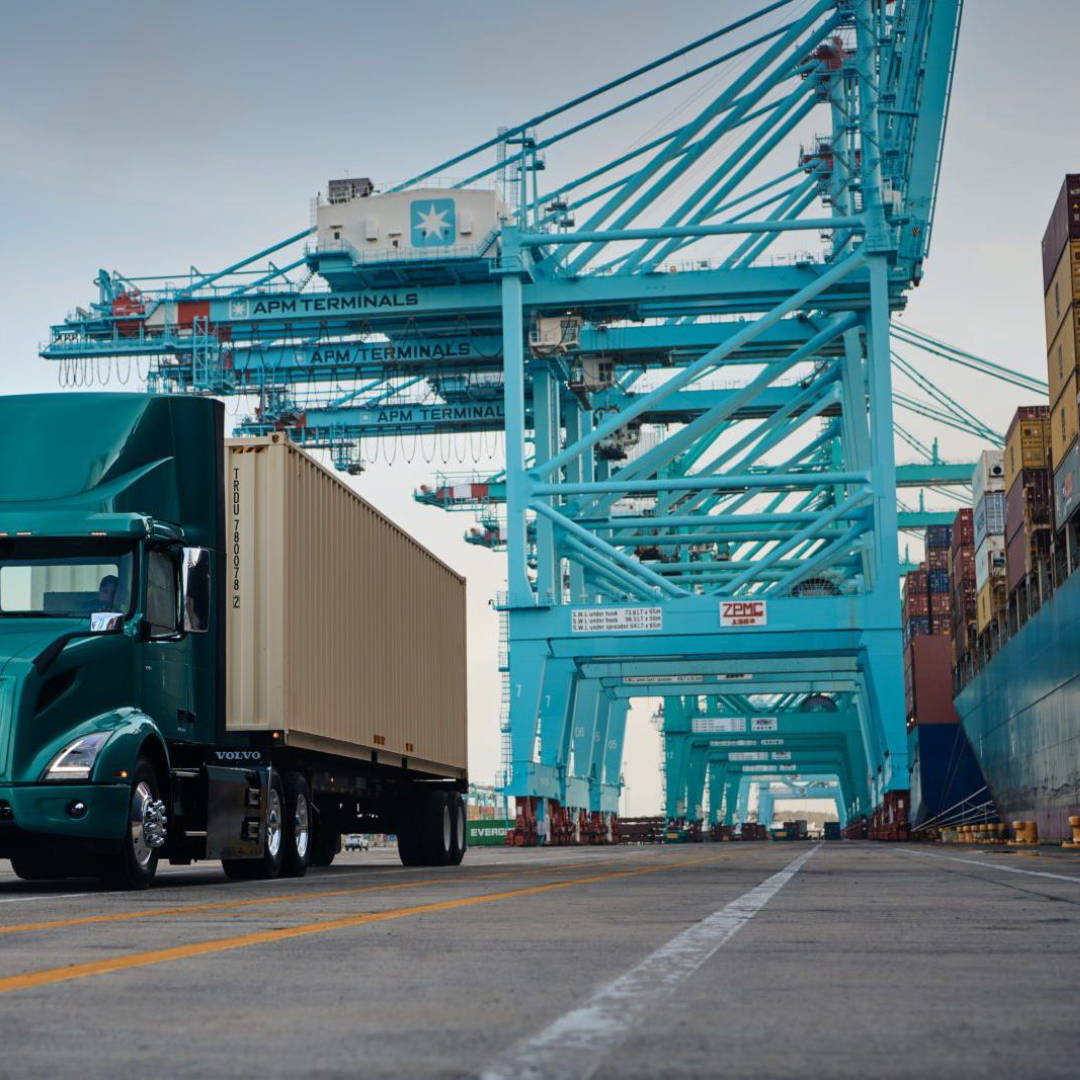
![Heavy Trucking Equipment at a Port]()
Construction, Ports & Remote Operations
Redeployable capacity to power active sites and remote operations where utility access is limited, delayed or impractical.
-
![On Road Vehicles Highway Driving]()
Emergency & Event-Based Capacity
Rapidly deployable energy capacity for short-term, high-consequence situations where reliability and timing are critical.


Where timing, reliability and flexibility matter, MOD Energy Solutions provides execution-ready capacity designed for your specific needs.
Ready to see how MOD Energy Solutions supports capacity-constrained operations?
When execution timelines are uncertain, planning must account for reality.
Not every organization is ready to deploy interim capacity immediately, but many are already experiencing the risk of misaligned planning assumptions.
We offer strategic capacity planning engagements designed to help institutions navigate power-constrained environments, infrastructure delays and evolving demand.
These sessions focus on identifying where execution gaps are likely to occur, evaluating interim and modular capacity options and aligning long-term infrastructure plans with near-term operational needs.
The outcome is not a report. It’s a clearer path forward that reduces risk, preserves flexibility and prevents costly missteps while permanent solutions are developed.